Cybersecurity for a UAE business should be treated as a stack of controls rather than a single antivirus product. Business email, cloud accounts, laptops, Wi-Fi, websites, firewalls, remote access and backups all create different paths to the same company data. A practical security programme closes the highest-risk gaps first and then monitors them.
The UAE’s TDRA publicly lists security disciplines such as endpoint protection, phishing assessment, penetration testing, vulnerability detection and SIEM for government entities. Private companies are not automatically subject to those government services, but the categories illustrate why modern security is multi-layered rather than one product.
1. Identity and business email
Start with administrator accounts, Microsoft 365 or other mail accounts, finance users and remote-access accounts. Use multi-factor authentication, remove unused accounts, restrict global administrator privileges and review mailbox forwarding rules. SPF, DKIM and DMARC should also be reviewed so the organisation has stronger protection against domain spoofing.
2. Endpoint and device security
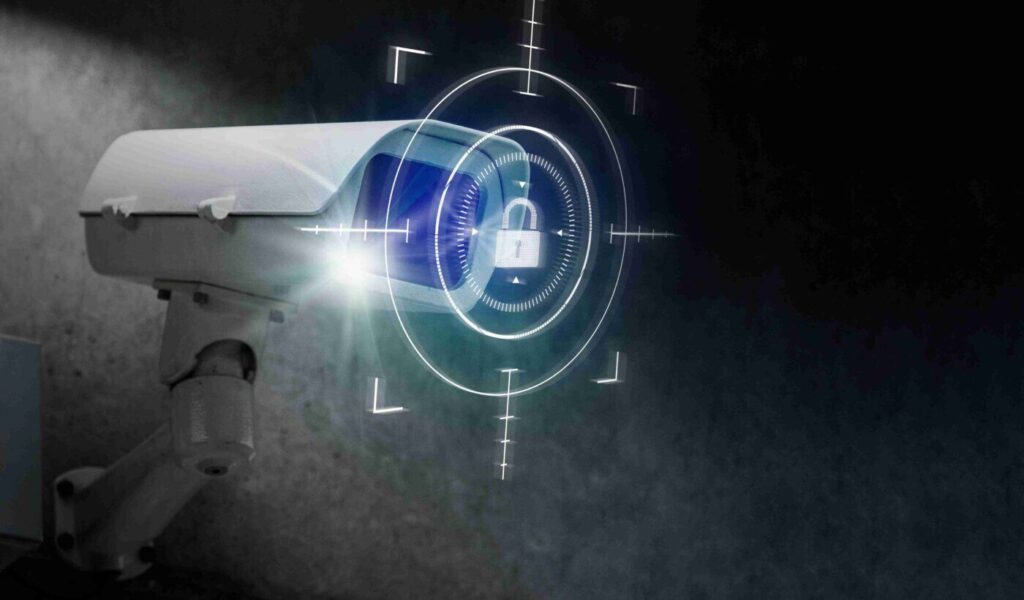
Laptops and desktops need supported operating systems, patching, endpoint protection and sensible local administrator controls. Mobile devices used for company email should also have screen-lock, update and account-removal procedures.
3. Firewall, network and Wi-Fi
The firewall should separate trusted business systems from guest or unmanaged devices. VLANs can isolate CCTV, voice, servers and guest Wi-Fi. This also connects directly with professional network design.
4. Vulnerability and website security checks
Internet-facing services should be checked for outdated software, exposed administration pages, unsafe headers, TLS problems and unnecessary services. Techvenation’s free Cyber Risk Scanner and Website Health Check can provide an initial indication, but they are not a substitute for an authorised penetration test.
5. Backup and recovery
Security controls sometimes fail. Recovery planning therefore matters as much as prevention. Keep multiple copies, separate credentials where practical and test restoration. Read the UAE backup and disaster-recovery guide for a practical framework.
6. Staff awareness and operating procedures
Phishing remains dangerous because attackers target people as well as systems. Finance changes, password-reset requests, QR codes, fake shared documents and urgent executive messages should all trigger verification procedures. Staff training works best when combined with technical controls such as MFA and mail filtering.
Build a security roadmap, not a shopping list
A 10-person office and a 200-user multi-branch company do not need the same architecture. Start with an inventory of users, devices, systems and data; rank risks; then create a phased roadmap. Security decisions should also align with your ongoing IT support model so fixes remain maintained after the initial project.
Talk to Techvenation about cybersecurity, vulnerability checks and business security
Techvenation supports UAE businesses with practical IT, digital and automation projects. For a scope review or quotation, visit Techvenation or send a WhatsApp message.
Key Takeaways
- Cybersecurity requires identity, endpoint, network, email, backup and monitoring controls working together.
- MFA and least-privilege administrator access are high-value controls for business accounts.
- SPF, DKIM and DMARC help strengthen business-email domain protection.
- A public website scanner is useful for triage but is not a replacement for an authorised penetration test.
Frequently Asked Questions
What should a small UAE business secure first?
Prioritise business email and administrator accounts, MFA, supported endpoints, backups, firewall/Wi-Fi configuration and removal of unused accounts.
Is a vulnerability scan the same as a penetration test?
No. Automated scanning identifies potential weaknesses. An authorised penetration test uses a controlled methodology to validate security issues and possible impact.
Does cybersecurity include backups?
Yes. Backups are a core resilience control because they help the organisation recover from ransomware, accidental deletion, hardware failure and other incidents.